 MEMBERSHIP LOGIN
 JOIN PRI
Behind-the-Scenes: Indianapolis 500 Historic Car Lap
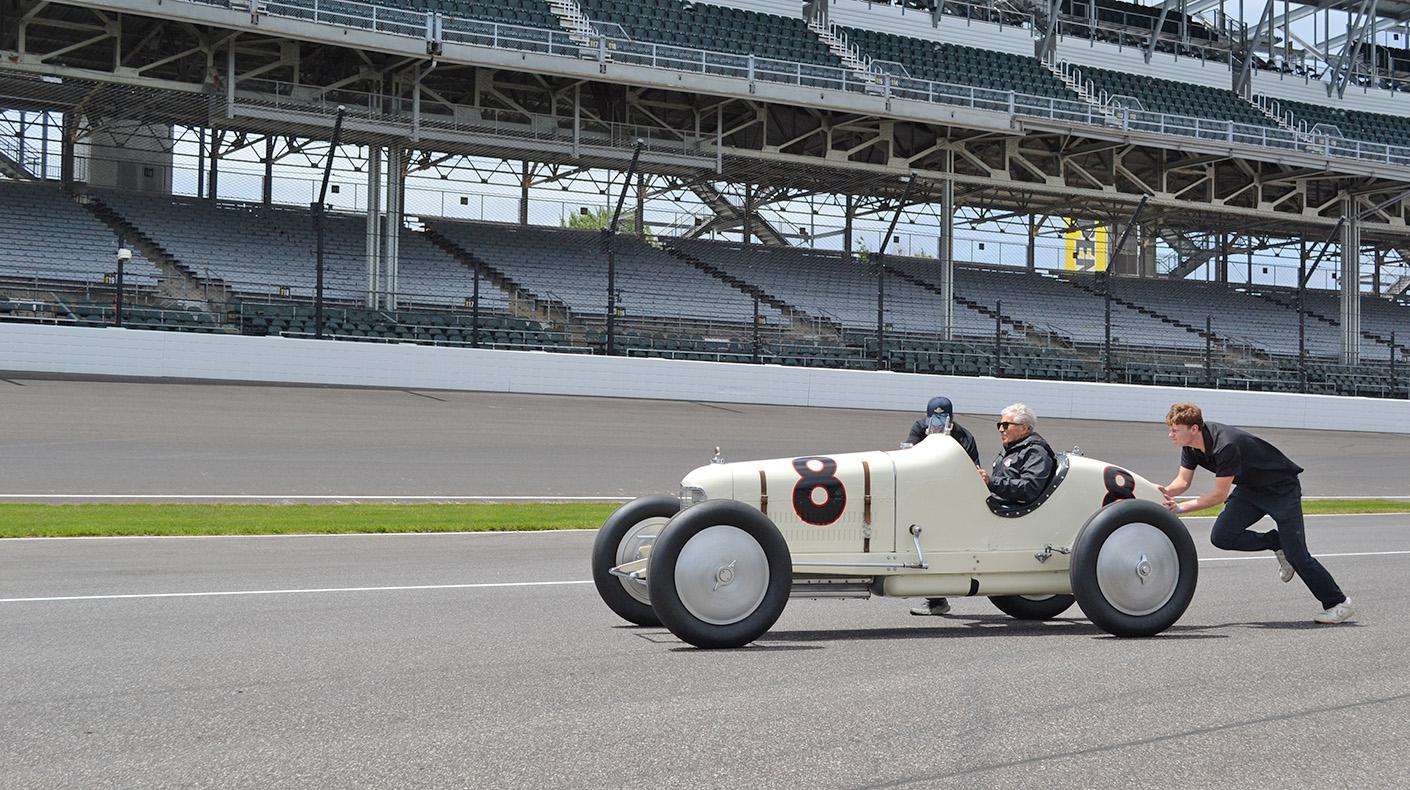
From 1912 racers to modern-era Indy cars, the IMS Museum's annual parade lap connects today's Indianapolis 500 to its earliest roots.
A big part of what makes the Indianapolis 500 so special is its many traditions, giving it a special flair that makes the Memorial Day weekend classic stand out not only against motorsports events, but all of the sporting world.
The traditions range from the pre-race pageantry—like the playing of "Taps" or Jim Cornelison's rousing rendition of "Back Home Again in Indiana"—to the on-track quirks that have carried on through several generations—the 11 rows of three, the blue and red pit wall signage, the famous "Yard of Bricks" that marks every 2.5-mile lap.
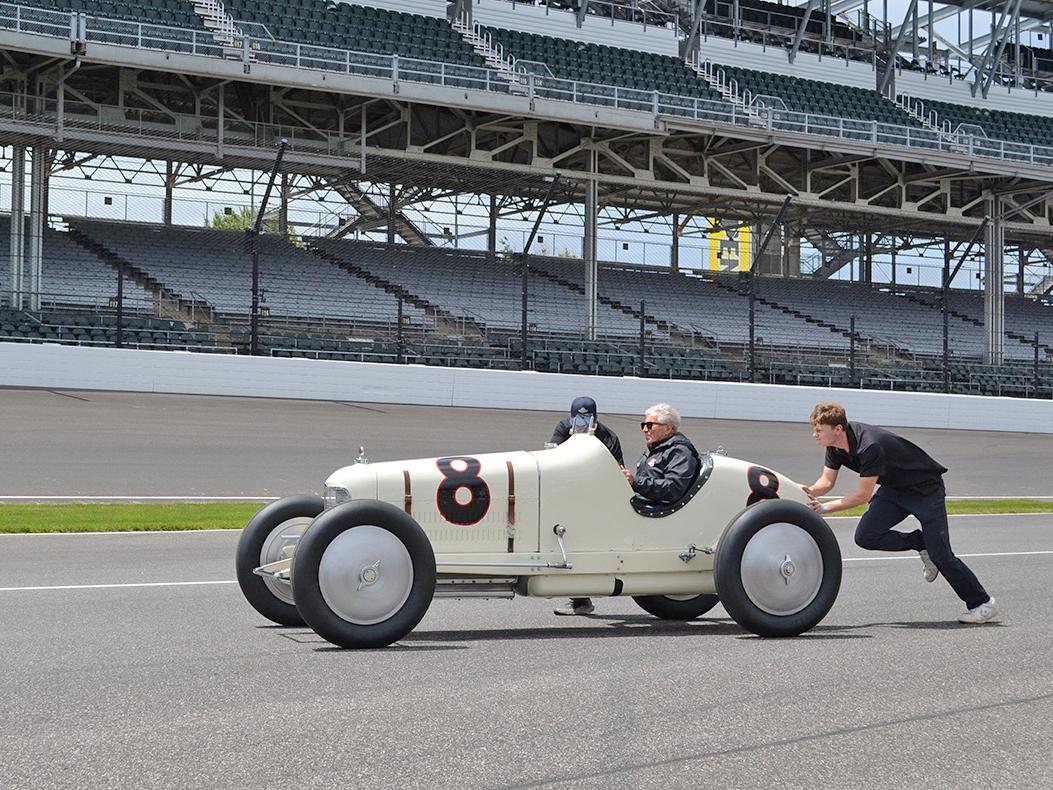
But one tradition combines both: a fleet of historic cars taking a parade lap around the track on race morning. Prepared by the Indianapolis Motor Speedway (IMS) Museum restoration team, the selected cars span nearly the full breadth of '500' history (this year's participants range from 1912 to 2010), as well as drivers from races past, connecting the race's modern-day grandeur with the foundation it's all built on.
"The pre-race of the Indianapolis 500 is so steeped in tradition, and it means so much to the fans, so to be a part of it is a very special opportunity," said Jason Vansickle, vice president of curation and education. "Unlike other sporting events, not just races, you don't really see that connection to its past as you do with the Indianapolis 500."
To select the participating cars, museum staff first look at any anniversaries that coincide with that year's running, as well as the state of each car and whether it has run recently.
While a good chunk of the museum's collection can run—Vansickle says about about 80% of its vehicles are capable of firing up after a little preparation—it's an intensive, year-long process to make that connection to the past happen.
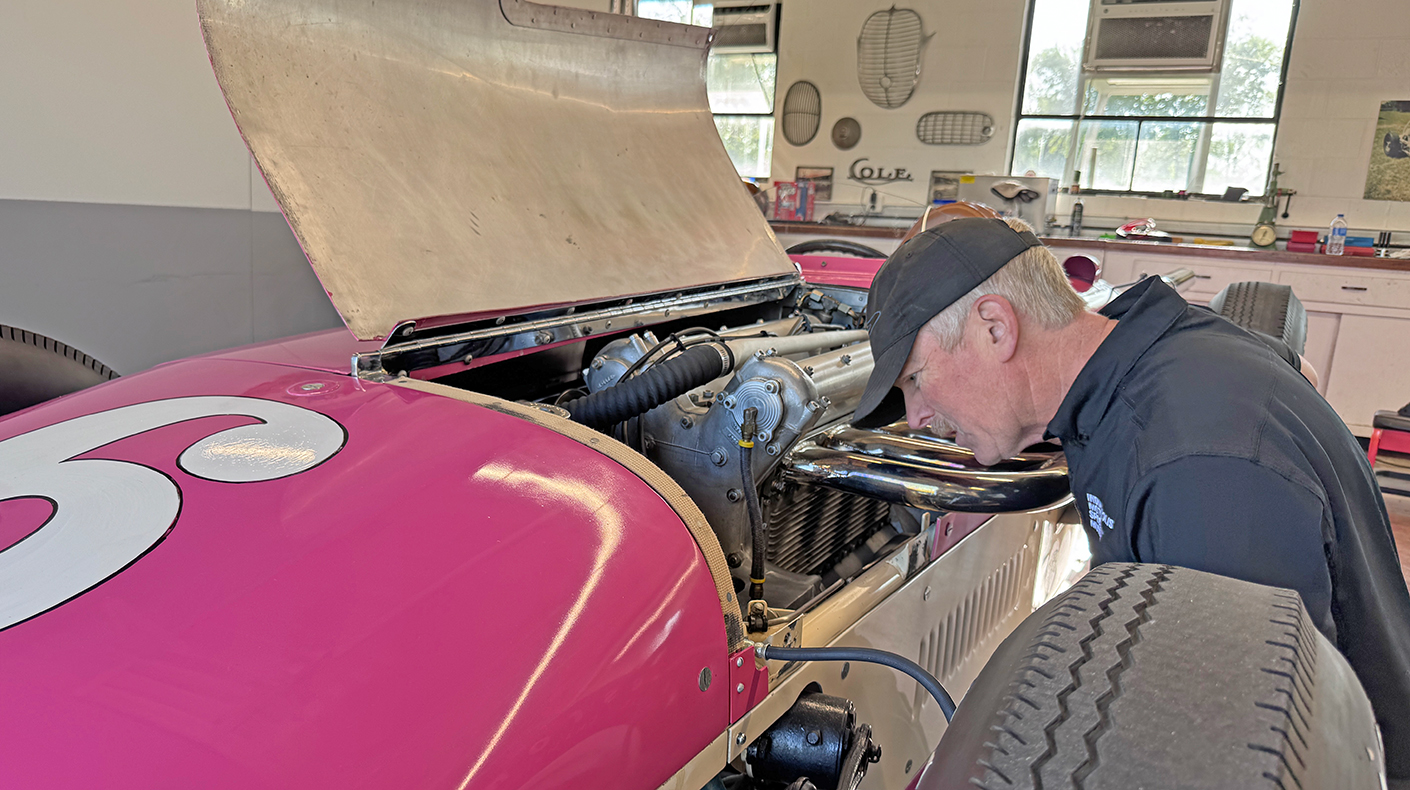
"We basically started on these cars right after last year's race," said Restoration Manager Dan Rosenau. "Every one of these cars has a can of worms in it, and it's just a matter of finding it early enough and being able to fix it."
Once the cars are selected, the museum's in-house restoration team completes a 30-page inspection report, documenting and rating every part and system on the car. And the problems they find are just as varied as the cars that take to the track.
Whether it's finding reproduction tires, swapping out a fuel cell or tracking down a 1930s fuel pump from an antique airplane parts supplier in Oklahoma, the IMS Museum restoration team is sometimes forced to go to great lengths to get the cars on track.
"We've got to source parts or make parts, and it all depends on the car and how old it is," Rosenau said.
"You can't just run down to the Miller dealer and buy parts for your 1925 Miller race car."
And that's all before the cars hit the track.
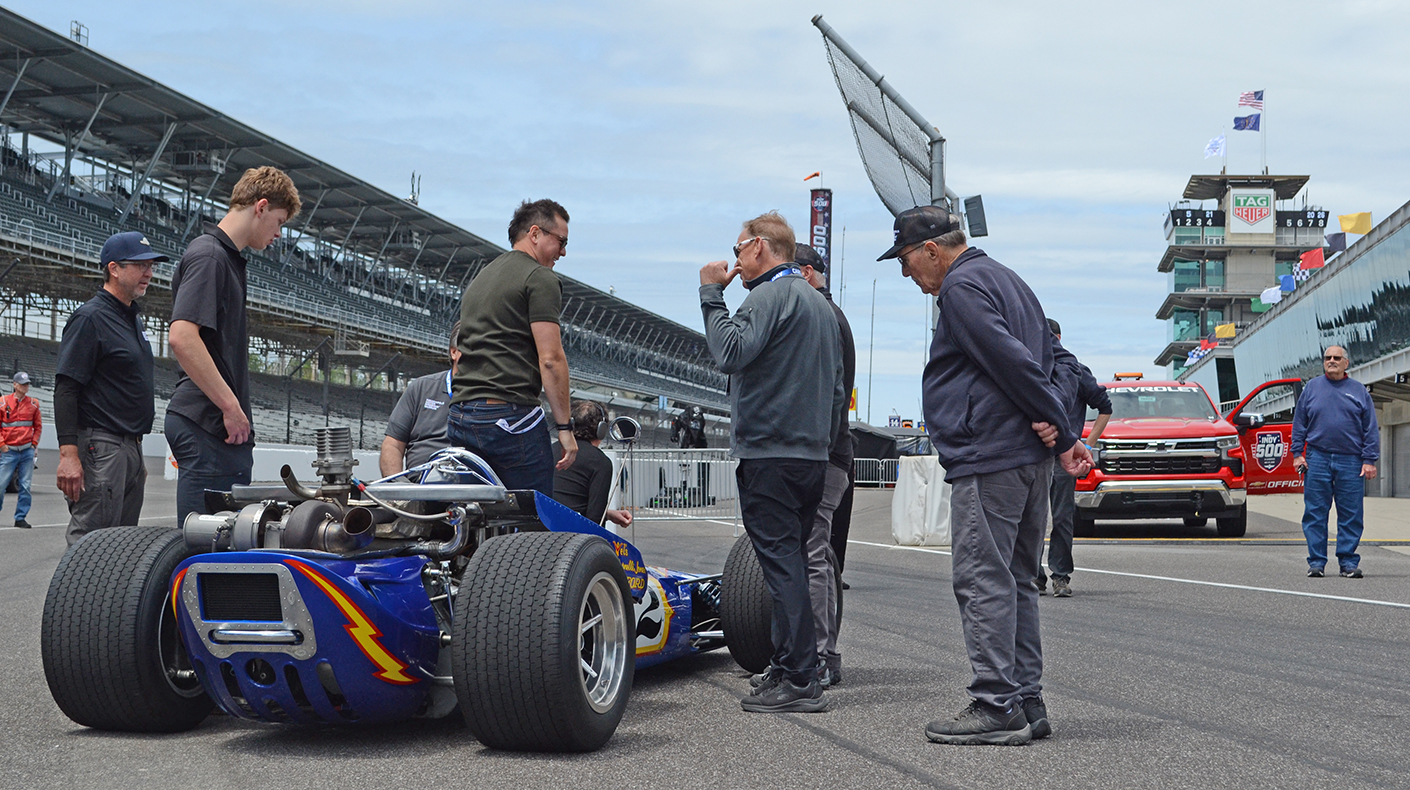
To iron out any kinks ahead of race day, the museum puts each car through its paces a few days before the main event, making sure everything is mechanically sound and that the driver is properly acquainted with their vehicle--some of which lack modern safety features or have outdated designs, like a center-mounted gas pedal.
One driver, however, was already pretty well acquainted with his car well before race day.
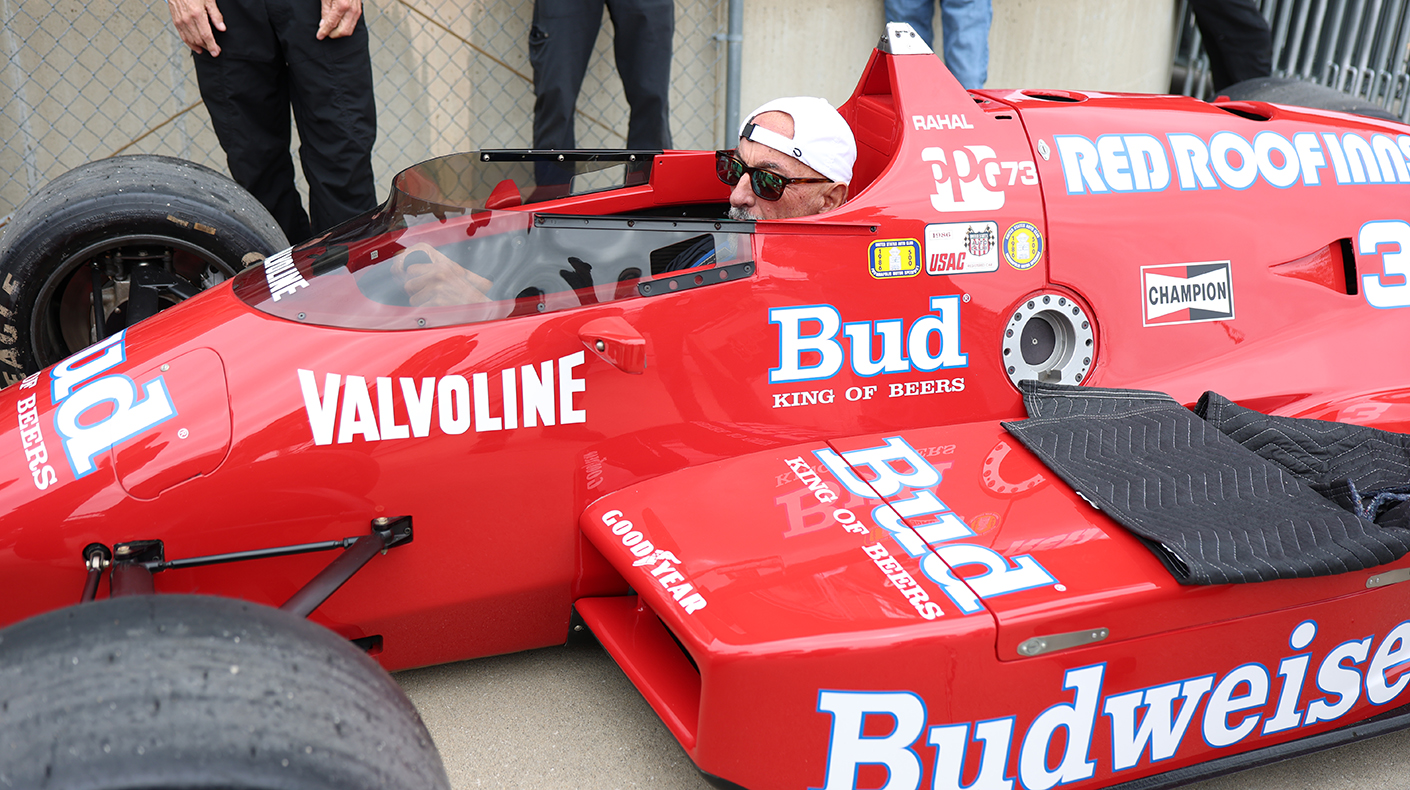
Celebrating the 40th anniversary of his Indianapolis 500 victory, Bobby Rahal participated in this year's parade lap and had the chance to hop back in the car that took him to victory lane in 1986.
"It feels like home. I'm really pleased to be able to get in it every now and then--especially here around the 500 weekend--and get to cruise around and relive some of the memories," Rahal said of his iconic, bright-red March 86C. "I think it's in the right place, being taken care of by the right people, and it's great to be able to share it with so many people."
Even though he's not in the cockpit, Rosenau—who had a long career in INDYCAR—is just as proud to play a role in bringing that moment to the fans on race day.
"When we watch our cars run on race day, you look up in the stands and you see people pointing at the cars, big smiles on their faces or telling a story to their kid about how that car ran when he was your age; it's very heartwarming, it's very encouraging," Rosenau said.
"I think we're doing a tremendous service to those people when they're sitting there in the grandstands, and they see the car go by that they remember from when they were sitting there with grandpa 40 years ago," he added. "If you're at all a car person or the 500 is a big part of your life, seeing something that you remember from your childhood, it's a big moment for these people."
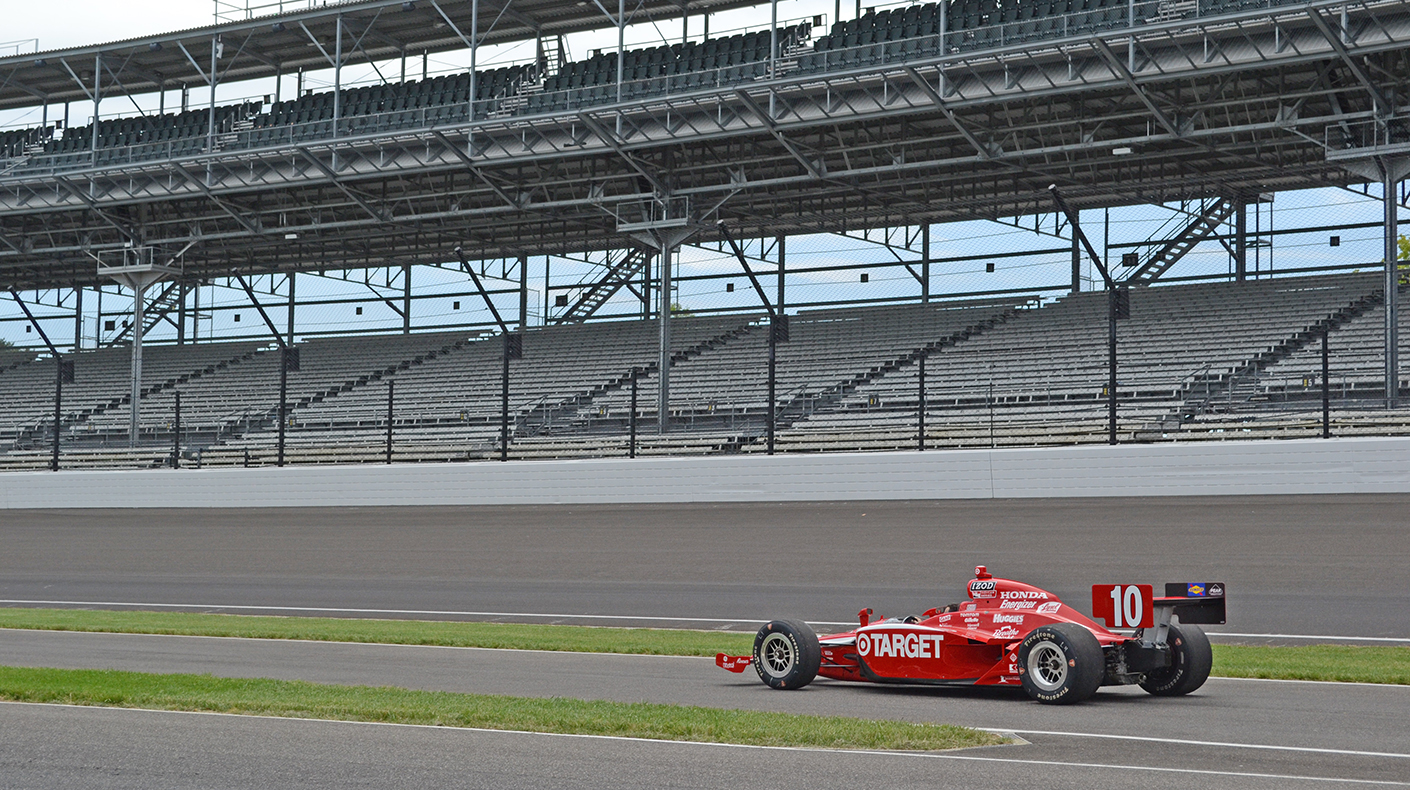
It's a big moment for the drivers, too, who sometimes have a connection to the vehicles they're driving before the race—like Rahal or Dario Franchitti and his 2010 Indianapolis 500-winning Target Chip Ganassi Dallara, which the museum acquired last year—or sometimes are just former drivers who will be at the race—like Sebastian Saavedra, who got to drive Al Unser Sr.'s 1,000-hp Johnny Lightning Special that dominated the 1970 Indianapolis 500.
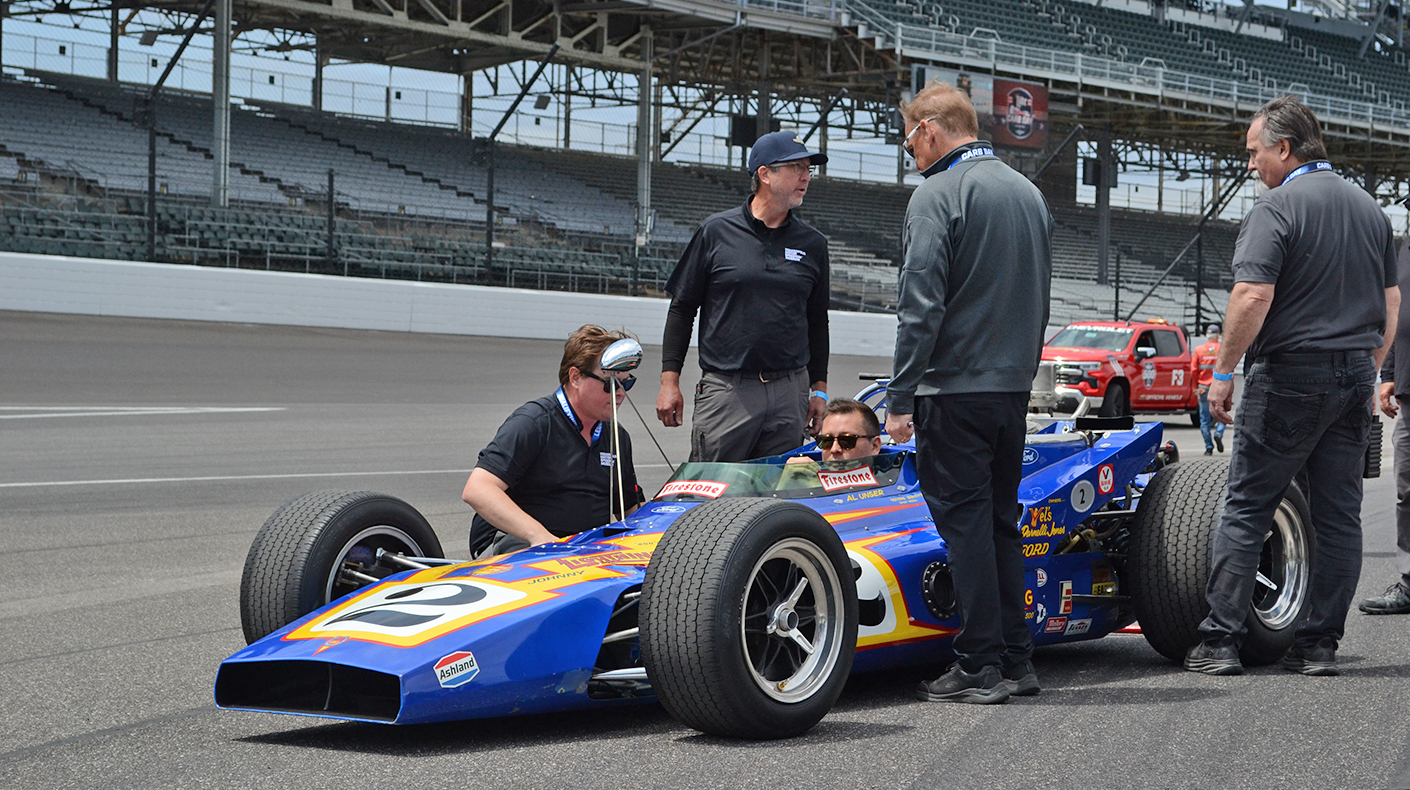
"When they come back, the drivers always have a massive smile on their face, especially if it's a driver that hasn't participated before," Vansickle said. "But even someone like Mario Andretti--who has participated in a variety of different cars over the years--it's still like seeing a little kid come down pit road."
For Vansickle, those reactions are part of what makes the parade laps such an important part of race morning—not just as a showcase of historic vehicles, but as a living, moving connection between generations of the Indianapolis 500.
"To get that intergenerational experience with these former cars, whether it be 10 years old or 110, I think is really special, and what makes the 500 so unique is that connection to the past," Vansickle said. "It's a special moment to be a steward of the history of the event."
For more information, visit imsmuseum.org.